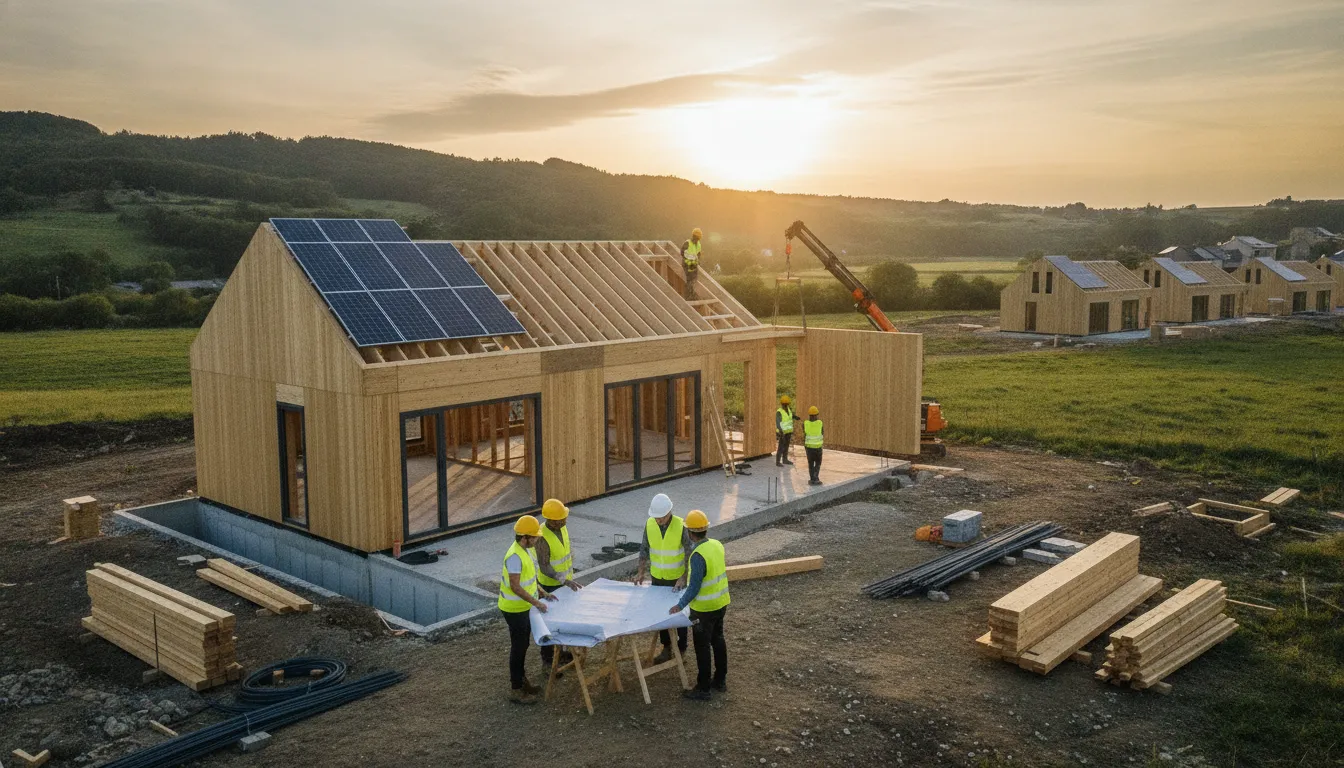
When you decide to build a house, you’re not just creating a home; you’re managing a major project. We’ve all heard the horror stories of construction delays, surprise costs, and constant stress. It’s enough to make anyone second-guess their dream. But what if the process could be different? What if it could be predictable, transparent, and even enjoyable? The secret isn't about finding shortcuts; it's about having a disciplined process from day one. By making key decisions before construction ever begins, you eliminate the chaos and uncertainty. This article will outline a proven framework for a seamless building experience, showing you how the right methodology is the key to a successful custom home project.
Key Takeaways
- Prioritize a disciplined process: A successful custom home build depends on finalizing every design and material decision before breaking ground. This upfront planning is the best way to ensure your project stays on schedule and within your budget.
- Choose a partner, not just a contractor: Your relationship with your builder is key. Look for a team that offers transparent communication, a proven methodology, and a portfolio that aligns with your vision; their process is just as important as their past projects.
- Align your budget and vision from the start: A realistic, comprehensive budget is your most important tool. Work with your team to define costs for land, construction, and finishes early in the design phase to make informed decisions that match your financial plan with your dream home.
What Does It Cost to Build a Custom Home?
Building a custom home is a significant financial undertaking, and one of the first questions on everyone's mind is about the cost. While national averages suggest building a new home is often more expensive than buying an existing one, these figures don't tell the whole story. The final price of your custom home depends entirely on your vision, the land you choose, and the team you hire. The key to a successful project isn't just knowing the total cost, but understanding where every dollar goes. A transparent process ensures there are no surprises, allowing you to make informed decisions that align your dream home with your financial plan.
Understand the Major Cost Categories
Think of your total home cost as a pie divided into several large slices. The main categories include the land itself, architectural design and engineering, site preparation, construction (labor and materials), permits and fees, and finally, the interior and exterior finishes. Each of these contains its own set of costs that can vary dramatically. A detailed budget is your most important tool, and it should account for everything from the price of the lot to the style of the cabinet pulls. Working with a unified design-build team from the very beginning is the best way to get a realistic, comprehensive budget that covers all these categories before you commit.
Land and Site Prep
One of the most common mistakes is buying a piece of land without professional input. A beautiful view could hide expensive problems beneath the surface. Before you purchase, it’s critical to have your lot evaluated for zoning restrictions, HOA regulations, utility access, and soil stability. These factors can dramatically affect your site preparation costs, which include clearing trees, grading the land, and running utility lines. Getting an expert opinion upfront prevents you from starting your project with a major budget deficit. This initial due diligence is a cornerstone of a predictable building experience, saving you from costly surprises down the road.
Construction, Labor, and Materials
This is the largest slice of the budget pie, covering the physical structure of your home. Costs for lumber, concrete, roofing, and other core components can fluctuate, and labor rates vary by region and demand. This is where having a disciplined process makes all the difference. By finalizing all design decisions and material selections before construction begins, your builder can secure accurate pricing and create a fixed-cost proposal. This protects you from market volatility and prevents the kind of on-the-fly changes that lead to budget overruns. You can see how high-quality materials come together in our portfolio of featured projects.
Permits, Fees, and Finishes
While not as large as the construction budget, this category is full of details that can add up quickly. Every municipality has its own schedule of fees for building permits, inspections, and utility connections. Your builder should be able to provide a clear estimate for these based on their local experience. Finishes are where your personal style truly comes to life, but they are also a primary source of budget creep. Selections for flooring, countertops, lighting, appliances, and paint should be made during the design phase. Deciding on these details early ensures they are thoughtfully integrated into the budget, not treated as an afterthought.
How Your Location Impacts Cost
Where you choose to build has a major impact on the final price tag. Land prices, labor rates, and even the cost of materials are all influenced by geography. Building in the Des Moines area comes with its own unique set of considerations, from local building codes to soil conditions that might require specific foundation engineering. A challenging lot, such as one on a steep slope or with poor soil, will require more extensive site work and engineering. This is why it’s so valuable to partner with a builder who has deep roots in the community and understands the local landscape. You can contact us to discuss the specifics of building in your desired neighborhood.
Why You Need a Contingency Fund
Even with the most meticulous planning, unforeseeable issues can arise. A contingency fund is a portion of your budget, typically 5% to 10% of the total construction cost, set aside for true unknowns. This isn't a slush fund for upgrades or design changes; it’s a financial safety net for things like discovering unexpected rock during excavation or a sudden supply chain issue for a critical part. A well-managed project with all decisions made upfront will minimize the chances you’ll need to use this fund. However, having it in place provides peace of mind, ensuring that an unexpected bump in the road doesn’t derail your entire project.
How to Choose the Right House Plan
Choosing your house plan is the moment your dream home starts to feel real. It’s more than just a floor plan; it’s the blueprint for your future life. While browsing thousands of stock plans online can be a great way to gather ideas, the real magic happens when you tailor a design to fit you perfectly. A great plan is a delicate balance of architectural style, everyday function, and long-term vision. Thinking through these elements now ensures the home you build will be a place you love for years to come.
Explore Common Home Styles
Before you get into the specifics of square footage and room count, take some time to explore different architectural styles. Do you love the clean lines of a modern home, the cozy charm of a modern farmhouse, or the timeless details of a traditional design? Looking through portfolios of completed homes is a fantastic way to discover what you’re drawn to. You can see how different materials, rooflines, and window styles come together in a finished product.
Our team can help you identify the elements you love and blend them into a cohesive design that is uniquely yours. You might find that you appreciate the open, airy feel of a contemporary plan but want to incorporate the warmth of natural wood found in Craftsman-style homes. Seeing our featured projects can help you pinpoint the specific looks and features that resonate with you, giving us a clear starting point for your custom design.
Match Your Plan to Your Lifestyle
A beautiful home is only successful if it functions for the people who live in it. Your floor plan should support your daily routines, not complicate them. Think about how you live right now. Are you big entertainers who need a seamless flow from the kitchen to an outdoor patio? Do you work from home and require a quiet, dedicated office away from the main living areas? If you have kids, you might want a playroom that’s visible from the kitchen or a mudroom to contain backpacks and sports gear.
This is where the flexibility of a design-build process truly shines. Instead of trying to fit your life into a pre-existing box, we design a home around you. We’ll discuss everything from where you drink your morning coffee to how you manage laundry. This deep understanding of your lifestyle allows us to create a layout that feels intuitive and makes everyday life easier and more enjoyable.
Plan for Your Future Needs
A custom home is a significant investment of your time, energy, and finances, so it’s important to design it for the long haul. Think about what your life might look like five, ten, or even twenty years from now. Do you plan on growing your family? Will you eventually need a main-floor bedroom to age in place, or space for aging parents to live with you? Considering these possibilities now can save you from a costly and disruptive renovation later.
Planning for the future could mean including an extra bedroom in the basement that can first serve as a gym, then a teen hangout, and later a guest suite. It might involve designing wider doorways and a zero-entry shower on the main level. Building a home takes time, and your life will continue to evolve. By having these conversations early, we can incorporate flexible solutions that allow your home to adapt with you. If you're ready to start planning a home that will serve your family for generations, we'd love to hear from you.
Which Features and Materials Should You Prioritize?
Once you have a house plan, the next step is deciding what goes into it. This is where your vision truly comes to life, but it’s also where budgets can get complicated. Prioritizing features and materials isn't just about choosing what looks best; it’s about making smart investments that add long-term value, comfort, and durability to your home. By focusing on what matters most from the start, you can create a home that is both beautiful and built to last, without the stress of last-minute decisions.
Consider Energy Efficiency and Smart Tech
Building a new home gives you the perfect opportunity to incorporate features that will save you money and make your life easier for years to come. High-performance windows, superior insulation, and energy-efficient HVAC systems create a more comfortable living environment while significantly lowering your utility bills. The U.S. Department of Energy even gives out awards to builders who construct healthier and more efficient homes for this very reason.
Similarly, integrating smart home technology during construction is far more effective than trying to add it later. Your builder can seamlessly wire systems for lighting, security, and climate control, ensuring everything works together perfectly from day one.
Choose Your Core Materials
The materials you choose are the foundation of your home’s character and longevity. From the framing and siding to the cabinetry and flooring, quality matters. While it can be tempting to cut costs on finishes, investing in durable, high-quality materials pays off by reducing maintenance and replacement costs down the road. A builder with a commitment to quality craftsmanship will be transparent about the materials they use and why. Don’t hesitate to ask questions about the brands, warranties, and structural integrity of the products going into your home. This attention to detail is what separates a standard house from a truly custom, legacy home.
Finalize Designs Before Breaking Ground
This might be the single most important step for protecting your budget and your peace of mind. One of the biggest mistakes in custom home building is making design changes after construction has already started. These changes, known as change orders, can cause significant delays and costly budget overruns. The best way to avoid this is to work with a team that finalizes every design detail, material selection, and engineering decision before anyone breaks ground. Having a completed, fixed-price budget from the start eliminates the risk of hidden expenses. This disciplined approach is the core of the design-build process and ensures your project stays on schedule and on budget.
How to Choose the Right Home Builder
Selecting a home builder is one of the most significant decisions you'll make in your journey to create a custom home. This isn't just about hiring a contractor; it's about finding a partner who will guide you through a complex process with clarity and expertise. The right builder brings not only construction know-how but also a commitment to transparent communication, financial discipline, and a shared vision for your home. A great partnership is built on trust, and that trust begins with your very first conversation.
Your builder should be your advocate, the one who translates your dreams into architectural plans and your plans into a physical home, all while keeping the project on track and on budget. This requires a team with a proven system for managing every detail. As you begin your search, focus on a few key areas: their professional credentials, the quality of their past work, their communication style, and the clarity of their process. Taking the time to vet these aspects thoroughly will give you the confidence you need to move forward and ensure your building experience is as exceptional as the home you’re creating.
Verify Licensing, Insurance, and Experience
Before you fall in love with a builder’s portfolio, take care of the essentials. Working with a properly licensed and insured builder is non-negotiable, as it protects you from liability and ensures they meet professional standards. Always verify that your potential builder holds a valid contractor's license, general liability insurance, and workers' compensation insurance. You can typically check a contractor's status through your state's licensing board, like the Iowa Division of Labor.
Beyond the paperwork, consider their experience. Have they built homes similar in style and complexity to what you envision? A builder with a long track record of creating high-end custom homes will have the specific expertise and supplier relationships needed to execute your project flawlessly.
Review Their Portfolio and References
A builder’s past work is the best indicator of their quality and style. Spend time reviewing their featured projects to see if their aesthetic aligns with your own. Do their homes show a high level of craftsmanship and attention to detail? If their portfolio resonates with you, the next step is to ask for references. A reputable builder will be proud to connect you with former clients.
When you speak with these homeowners, go beyond a simple "Were you happy?" Ask specific questions about their experience. Did the project stay on budget? Was it completed on time? How did the builder handle challenges or changes? Most importantly, ask if they would hire the builder again. Their answers will give you a real-world glimpse into what it’s like to work with the team.
Look for Clear Communication and a Proven Process
Building a home is a long-term relationship, and clear, consistent communication is the foundation of its success. From your first meeting, pay attention to how the team interacts with you. Do they listen to your ideas? Do they answer your questions thoroughly and patiently? The way they treat you before you sign a contract is a strong indicator of how they’ll communicate throughout the build.
Equally important is their methodology. Ask them to walk you through their entire process. A disciplined design-build approach, where all design, budget, and engineering decisions are resolved before construction begins, is the key to a predictable and stress-free experience. A builder with a proven process isn’t just constructing a house; they are managing a complex project with precision to eliminate chaos and financial surprises.
Key Questions to Ask a Potential Builder
Once you’ve narrowed your list to a few top contenders, it’s time to dig deeper with a formal interview. The goal is to understand their process, values, and how they handle the realities of a custom build. Don’t be shy about asking detailed questions; a professional team will welcome the opportunity to explain what sets them apart.
Here are a few key questions to get the conversation started:
- Who will be my primary point of contact, and how often can I expect updates?
- Can you describe a time a project faced an unexpected challenge and how you resolved it?
- How do you establish and maintain the budget throughout the project?
- What is your process for handling design changes once construction has started?
The answers to these questions will reveal a great deal about their operational style and commitment to client satisfaction. When you're ready to start the conversation, you can contact us to learn more about our own proven method.
How Long Does It Take to Build a Custom Home?
One of the first questions on every future homeowner’s mind is, “How long will this actually take?” While it’s tempting to look for a simple answer, the timeline for building a custom home is shaped by your design choices, your location, and the builder you choose. A predictable schedule isn’t about finding shortcuts; it’s about having a disciplined plan that accounts for every variable from the start. By understanding the key phases and potential hurdles, you can move through the process with confidence instead of uncertainty.
Understand the Building Timeline
On average, building a new home can take anywhere from seven to twelve months, but a truly custom home often requires a more extended schedule. The process isn't just about construction; it begins with a detailed architectural and design phase. With a design-build firm, this initial stage is where the magic happens. All decisions, from the floor plan to the faucet finishes, are made before a single shovel hits the ground. This front-end investment of time is crucial because it creates a clear roadmap, preventing costly and time-consuming changes once construction is underway.
How to Avoid Common Construction Delays
We’ve all heard stories of builds derailed by unexpected issues. The key causes of delays often include weather, permitting backlogs, and material shortages. While no one can control a blizzard, you can control the single biggest source of delays: indecision. Making changes after construction has started creates a ripple effect, impacting schedules and budgets. A proven process that finalizes every design and engineering detail beforehand is your best defense against these preventable setbacks. This commitment to a plan is what separates a chaotic build from a seamless one.
Finance Your Build
Your financial plan is just as important as your architectural plan. Before you get too far into designing your dream home, it’s essential to know your budget and secure financing early. Getting pre-approved for a construction loan gives you a clear understanding of your spending power. A thorough budget should account for the land, site preparation, construction costs, permits, and finishes. It should also include a contingency fund for any true surprises. Financial certainty from day one allows the entire project to run more smoothly.
Get Everything in Writing
A handshake is nice, but a detailed contract is what ensures your project stays on track and on budget. Your agreement with a builder should include a comprehensive, fixed-price budget that specifies everything from site work to the final light fixtures. This level of detail is what avoids costly change orders and hidden fees down the road. When your entire team is working from the same playbook, you get clarity and financial peace of mind. This is the core principle of the design-build model, ensuring a predictable experience from start to finish.
Frequently Asked Questions
How can I keep my custom home budget from getting out of control? The most effective way to protect your budget is to eliminate as many unknowns as possible before construction begins. This means working with a team that guides you through finalizing every single design choice, from the foundation to the faucets, and then secures fixed pricing for all labor and materials. This process turns your budget from a loose estimate into a firm number, preventing the kind of small, on-the-fly changes that can quickly add up to major overruns.
You mention the "design-build" process a lot. What does that actually mean? Think of it as having your architect, interior designer, and builder all on one unified team from the very start. Instead of you having to manage separate companies that may have different ideas or priorities, a design-build firm handles the entire project cohesively. This ensures your home's design is created with your budget and construction realities in mind from day one, which prevents expensive surprises and makes the whole experience much smoother.
What's the single biggest mistake people make when building a custom home? The most common and costly mistake is making design changes after construction is already underway. It might seem simple to move a wall or swap a window style, but these "change orders" create a domino effect. They cause significant delays while new plans are drawn and materials are reordered, and they almost always increase the total cost. A disciplined planning phase where every detail is decided and approved upfront is the best way to avoid this pitfall.
With so many choices for materials and finishes, how do I decide where to spend my money? A great strategy is to invest in the "bones" of your house and the features you interact with every day. Prioritize things like high-performance windows, quality insulation, and a durable roof, as these provide long-term comfort and structural integrity. It also makes sense to allocate funds for well-made cabinetry and flooring. You can always upgrade a light fixture or repaint a room down the road, but it is much more difficult and expensive to replace foundational materials.
Besides the construction itself, what takes the most time in the home building process? Many people are surprised that the pre-construction phase is often the most time-intensive part of the journey, and for good reason. This is the critical period for architectural design, structural engineering, making all your interior and exterior selections, and creating a detailed, fixed-price budget. Investing several months in this upfront planning is what allows the actual construction to run smoothly and on a predictable schedule. A thorough design phase is the foundation for a stress-free build.